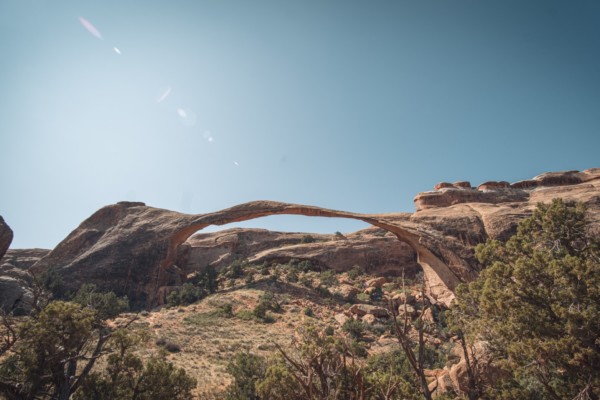
In Moab, Utah you will find Arches National Park. Arches are not the only geological formations you will see. Keep an eye out for fins, potholes, plateaus, and cliffs. The Arches became a national park in 1971 by President Nixon. Everything you see is a giant salt bed that is from around 300 million years ago. Throughout the park, there is a Cryptobiotic crust that is made of living organisms like algae and fungi. Without this crust, animals, plants, and humans would not survive in the desert.
ARCHES NATIONAL PARK
Places to Visit
1. Arches Scenic Drive
This 22-mile road connects all of Arches National Park. The drive offers breathtaking views. The whole drive will take 4 to 5 hours. If you are pinched on time, choose 5 to 8 viewpoints along the road.
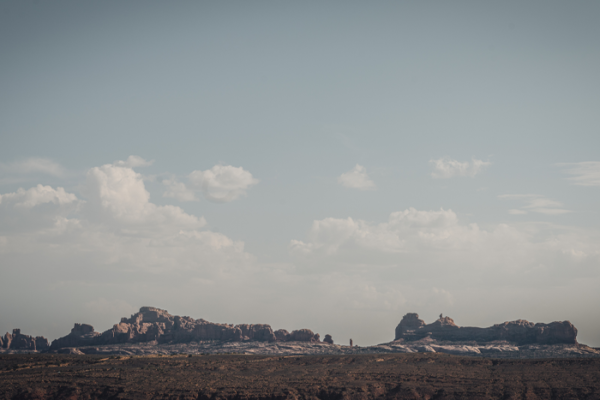
2. La Sal Mountains Viewpoint
The viewpoint has a parking lot with a sidewalk to the viewpoint. The viewpoint has views of features inside and outside of the National Park. Bring a snack and enjoy the sunset here! If you are visiting during the winter months, shoes with traction are advised.
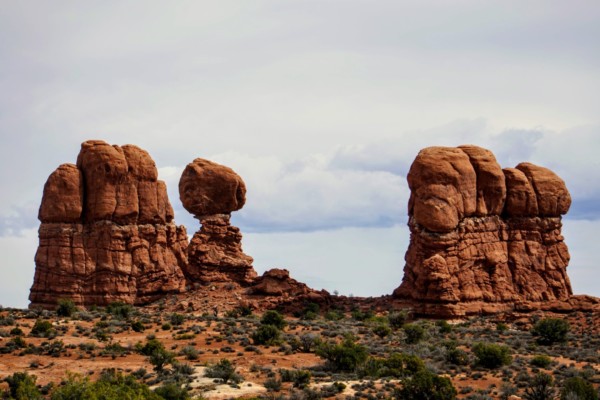
3. Balanced Rock
Balanced Rock is one of the most popular features within Arches National Park. The rock is not balancing but is attached to the base. The erosion of the feature is what makes it look like it is balancing. The rock won’t look like this forever. As erosion continues, the rock will eventually fall. This area is also popular for stargazing.
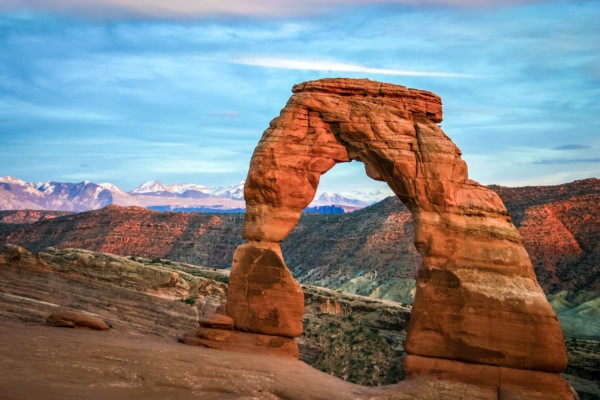
4. Delicate Arch
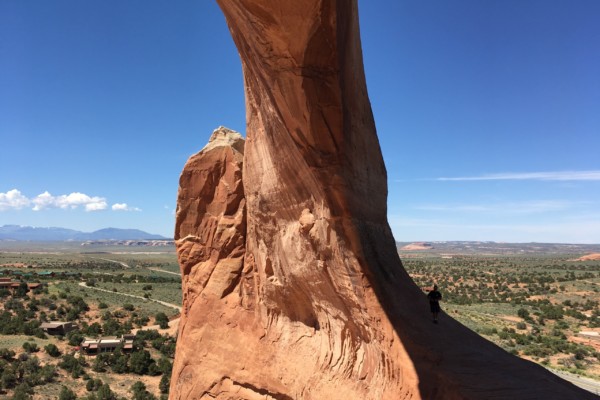
Delicate Arch is one of Arches National Park’s most famous features. It is the largest arch in the park standing 52 feet tall. If you want to see the arch up close, you will have to hike 3 miles. Because of the arch’s popularity, it is recommended to arrive early.
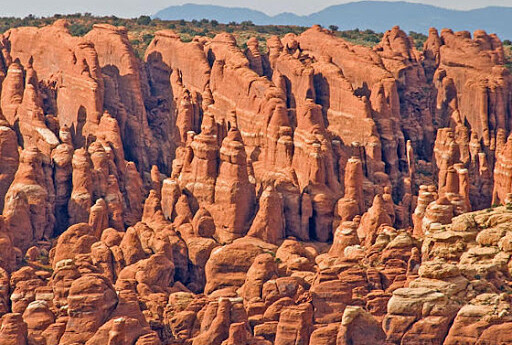
5. Fiery Furnace
The Fiery Furnace is named after the color it turns during sunsets and sunrises. This hike is challenging and not for the faint of heart. There are no markers but guided tours are available to book. If you do not book a guided tour, you will need to purchase a permit and watch an orientation video to do the hike.
6. Devils Garden and Landscape Arch
In the Devils Garden is an easy hike to Landscape Arch. Beyond the arch, the hike gets substantially more difficult. The Landscape Arch is 300 feet long and is the longest arch in North America! The thinnest part of the arch is 6 feet long and makes us wonder how much longer it will be standing.
7. The Windows, Turret Arch, and Double Arch
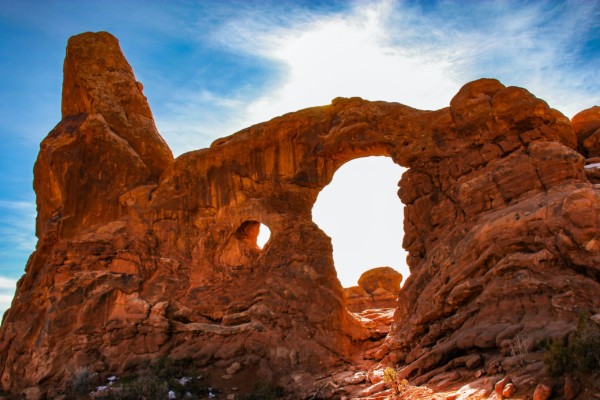
The Windows and Turret Arch is a 1.2-mile hike. This hike is appropriate for all levels making it a popular attraction. Because of the high volume of traffic, we recommend getting to the parking lot early and visiting during the week.
8. Garden of Eden
There is no specified hiking area in the Garden of Eden so you can explore on your terms. You can find Serpentine Arch and Owl Rock within the Garden of Eden. If you are into rock climbing, test your skills on Owl Rock!
Why Rent a Van for Arches National Park?
A trip to Arches National Park comes with a specific set of logistics that a standard rental car just isn’t built for: small parking lots, big groups, mountains of gear, and a whole lot of desert highway between Denver and Moab. Renting a Sprinter or Transit passenger van solves all four at once. Here’s how.
Parking Challenges During Peak Season
Arches is a small park — just 76,000 acres — packed into a handful of iconic stops: Delicate Arch, the Windows, Balanced Rock, Devils Garden. Every one of those trailheads has a limited number of parking spaces, and Arches routinely sees over 1.5 million visitors a year. During busy stretches, popular lots at Delicate Arch and Devils Garden fill by mid-morning, and rangers will temporarily close the road until space opens back up — sometimes for hours at a time.
That means the fewer vehicles your group brings into the park, the better your odds of actually getting a spot. One 12- or 15-passenger van takes up a single parking space instead of three or four separate cars circling the lot looking for one. If you’re planning to beat the crowds, arriving in one van before 8 a.m. (or after 4 p.m.) is a far simpler operation than coordinating a caravan.
Keeping Groups Together in One Vehicle
Anyone who’s tried to caravan a group through Moab traffic, spotty cell service, or a missed turn onto the Arches entrance road knows how quickly a group can get split up. A passenger van keeps everyone — and every piece of the day’s plan — in one place. No convoy texts, no “which exit did you take,” no waiting in a parking lot for the second car to catch up before you can start a hike.
It also just makes the trip better. The drive from Denver to Arches is close to six hours each way, which is a long time to spend split across multiple vehicles instead of together as a group.
Cargo Space for Camping Gear, Coolers, and Hiking Equipment
A day (or several) in the desert means packing more than most rental sedans or SUVs can handle: coolers, camp chairs, sleeping bags and tents if you’re staying at Devils Garden Campground, hiking packs, extra water (a must in a high-desert park with almost no shade), and layers for temperature swings that can hit 40+ degrees between day and night. Passenger vans have significantly more cargo room than a standard rental car, and with rear seats that fold or remove, you can configure the space around gear-heavy trips without leaving anyone behind to make room for the cooler.
Cost Comparison vs. Multiple Rental Cars
For groups of six or more, renting two or three separate cars almost always costs more than a single van rental once you add it all up — multiple rental agreements, multiple insurance add-ons, and multiple tanks of gas covering the same 360-mile route. A single van rental consolidates all of that into one bill, one fuel stop, and one set of keys. See a full breakdown of vans vs. rental cars →
Denver to Arches National Park Road Trip Guide
Arches is one of the most popular national park road trips out of Denver — far enough for a proper adventure, close enough to do in a long weekend. Here’s what to know before you go.
Mileage & Drive Time
Denver to Arches National Park (Moab, UT) is roughly 360 miles, with a drive time of about 5 hours 45 minutes to 6 hours without stops. Realistically, plan for 7 to 8 hours door to door once you factor in gas, food, and photo stops.
Best Route
The most direct and most scenic route is I-70 West to US-191 South:
- Denver to Grand Junction, CO — about 245 miles on I-70 West, cutting through the Rockies via Vail Pass, Glenwood Canyon, and the Colorado National Monument area.
- Grand Junction to Moab, UT — take I-70 West a short distance further to US-191 South, then follow US-191 for roughly 115 miles straight into Moab, with the Arches entrance just a few minutes north of downtown.
This route is almost entirely interstate and well-maintained highway, which makes it comfortable driving in a full-size passenger van, even with a full load of passengers and gear.
Recommended Stops
Breaking the drive up makes a long day feel a lot shorter. A few worth building into your route:
- Glenwood Springs, CO — hot springs, a scenic canyon drive, and a good halfway-point stretch break (~2.5 hours from Denver).
- Grand Junction, CO — the last major city before Utah, with plenty of gas, food, and grocery options to stock up before the more remote stretch ahead.
- Colorado National Monument (just outside Grand Junction) — a short detour with dramatic red-rock canyon views if you want a preview of the desert scenery to come.
- Green River, UT — a good final fuel-and-food stop about an hour before you reach Moab.
Fuel Planning
Gas stations thin out once you leave Grand Junction, so top off the tank there before continuing into Utah — there’s a longer stretch with fewer stations between Grand Junction and Green River. Passenger vans have larger fuel tanks than most rental cars, which means fewer stops overall, but it’s still smart to fuel up any time you’re below half a tank on this route.
Weather Considerations
- Winter (Dec–Feb): Vail Pass and Glenwood Canyon on I-70 can see snow and icy conditions; check CDOT road reports before heading out, and build extra time into your drive.
- Spring (Mar–May) and Fall (Sep–Oct): Generally the most reliable driving conditions and the most comfortable temperatures for hiking once you arrive.
- Summer (Jun–Aug): Clear roads for driving, but expect daytime highs in Moab well into the 90s and 100s — plan hikes for early morning and carry more water than you think you’ll need.
Potential Stops
Beyond the drive itself, Moab makes a great small-town base before or after your park day — downtown has restaurants, outfitters, and grocery stores for last-minute supplies. If you have extra time, Canyonlands National Park is only about 30–40 minutes from Arches and pairs naturally with the same trip.
Best Time to Visit Arches National Park
Spring (March–May) and fall (September–October) are the best times to visit Arches. Daytime temperatures generally sit in the 60s and 70s, overnight lows are manageable, and the harsh midday heat of summer isn’t a factor — meaning you can comfortably hike routes like Delicate Arch or Devils Garden any time of day.
Summer (June–August) is the busiest season and also the hottest, with daytime highs regularly exceeding 100°F and very little natural shade anywhere in the park. If you’re visiting in summer, plan to be on the trails at sunrise or in the last few hours before sunset, and carry significantly more water than you would elsewhere.
Winter (November–February) brings the smallest crowds and occasional snow dusting the red rock, which makes for striking photos, but some trails can be icy and days are shorter. It’s a great option for travelers who prioritize solitude over warm weather.
As of 2026, Arches does not require a timed-entry reservation to enter the park — the National Park Service ended the pilot reservation program for the year. That said, individual parking lots (especially Delicate Arch and Devils Garden) still fill up and can be temporarily closed by rangers during peak hours, so arriving early is still the best strategy regardless of season. Always check current conditions at nps.gov/arch before you go, since park access policies can change.
Where to Stay Near Arches National Park
- Moab, UT — the obvious home base, just minutes from the Arches entrance, with the widest range of hotels, motels, and vacation rentals in the area, plus restaurants and grocery stores for the group.
- Devils Garden Campground — the only campground inside Arches itself, with 51 sites. Reservations are required from March through October and typically book out well in advance through Recreation.gov.
- Highway 128 (along the Colorado River) — a string of BLM campgrounds just outside Moab with river views, popular with groups who want a more scenic, low-cost camping option.
- Green River, UT — about an hour from Moab, a solid budget-friendly alternative if Moab lodging is sold out during peak season.
A van makes any of these options easier logistically — you can load camping gear straight from Denver, or shuttle a group between a Moab hotel and dinner downtown without needing multiple cars.
Nearby Attractions
Arches pairs naturally with several other stops in the Moab area, making it easy to build a longer, more varied itinerary:
- Canyonlands National Park — about 30–40 minutes away; the Island in the Sky district offers some of the most dramatic canyon overlooks in Utah.
- Dead Horse Point State Park — roughly 40 minutes from Arches, famous for its sweeping overlook of the Colorado River (the view featured in Thelma & Louise).
- Downtown Moab — restaurants, breweries, outfitters, and shops just minutes from the park entrance.
- Colorado River corridor (Highway 128) — scenic drives, rafting outfitters, and photogenic stops like Fisher Towers.
- Mill Creek and Negro Bill (Grandstaff) Canyon trails — easy, less-crowded hiking options right outside Moab if you want a break from Arches’ crowds.
Sample Itinerary
A 3-Day Denver to Arches Road Trip
Day 1 — Denver to Moab Depart Denver in the morning, stop in Glenwood Springs or Grand Junction for lunch and fuel, and arrive in Moab by early evening. Settle into your hotel or campground and grab dinner downtown.
Day 2 — Full Day in Arches Enter the park early (before 8 a.m. is ideal in peak season) and drive the 22-mile Arches Scenic Drive, stopping at Balanced Rock, the Windows and Turret Arch, and the Garden of Eden. Hike to Delicate Arch in the afternoon or save it for sunset, when the light on the arch is best. Wrap up with dinner back in Moab.
Day 3 — Canyonlands + Drive Home Spend the morning at Canyonlands National Park (Island in the Sky), just 30–40 minutes from Moab, for a final round of overlooks and short hikes. Head back toward Denver in the early afternoon, with a stop in Grand Junction for an early dinner before the final stretch home.
Want more time? Add a fourth day to explore the Fiery Furnace (permit or guided tour required) or Devils Garden’s full trail to Landscape Arch.